What is Anidap?
Anidap is a guide to sports anime: series and films about baseball, football, tennis, racing, judo, swimming, dance and more, each with a Watch now button that opens the official services in your country.
From Major, Big Windup! and H2 to Captain Tsubasa, Days and Inazuma Eleven, from Yawara! and Hinomaru Sumo to Wangan Midnight and Capeta, and from Kaleido Star and Tsurune to Dance Dance Danseur. Pick a sport, open a title and press Watch now.
Anidap is a guide to sports anime: series and films about baseball, football, tennis, racing, judo, swimming, dance and more, each with a Watch now button that opens the official services in your country.
Open any title, choose your country and press Watch now. JustWatch lists the subscription, rental, purchase and free options where you live.
Few stories are as uplifting as a team chasing a goal. Sports anime turns every match into drama, friendship and growth.
Every shelf on Anidap, from the diamond to the dojo.
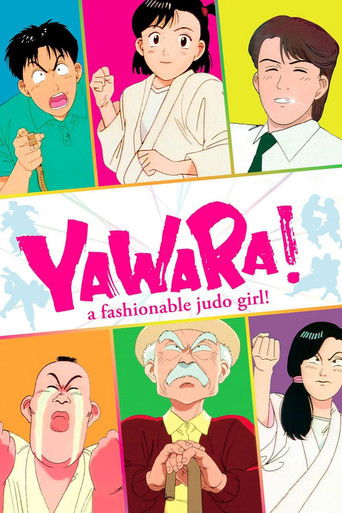 EP 124Yawara!
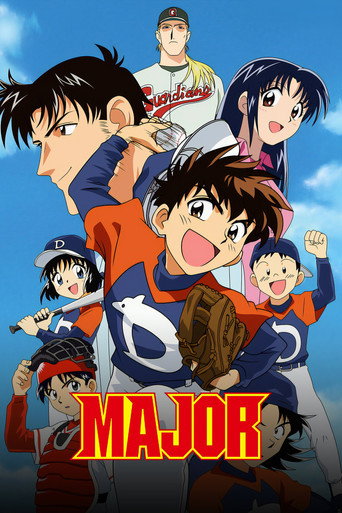 EP 154Major
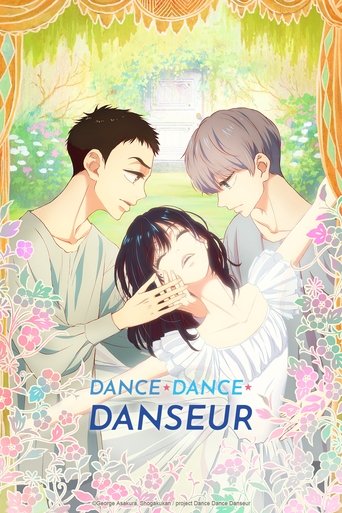 EP 11Dance Dance Danseur
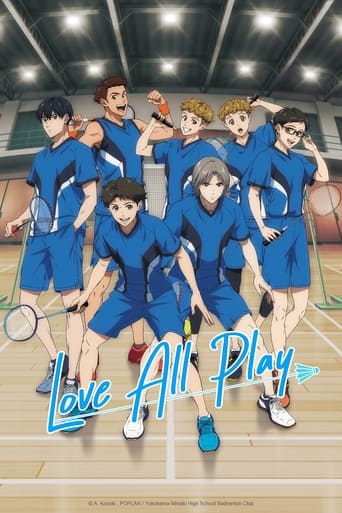 EP 24Love All Play
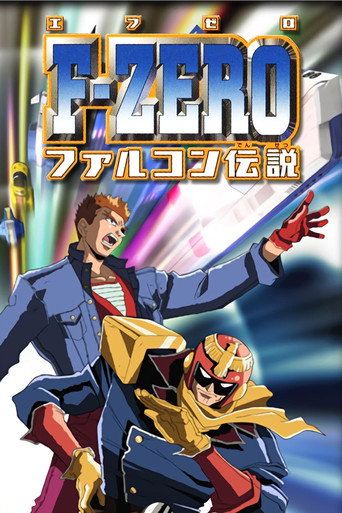 EP 51F-Zero: GP Legend
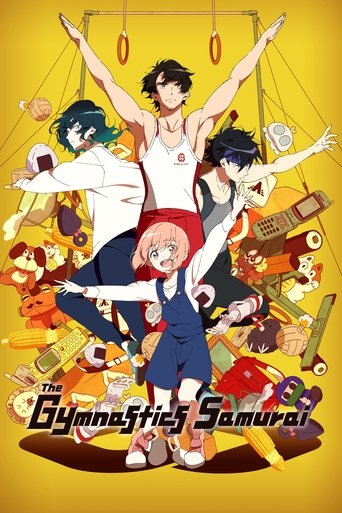 EP 11The Gymnastics Samurai
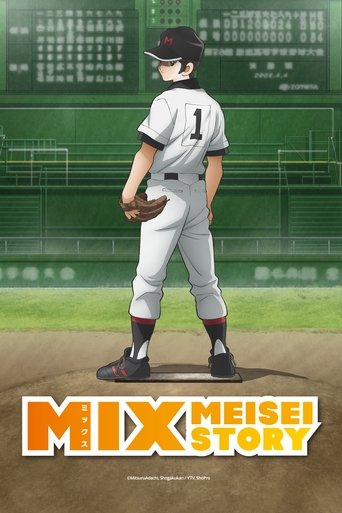 EP 48Mix: Meisei Story
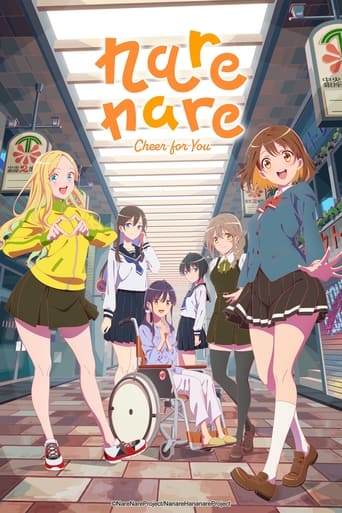 EP 12Narenare -Cheer for You!-
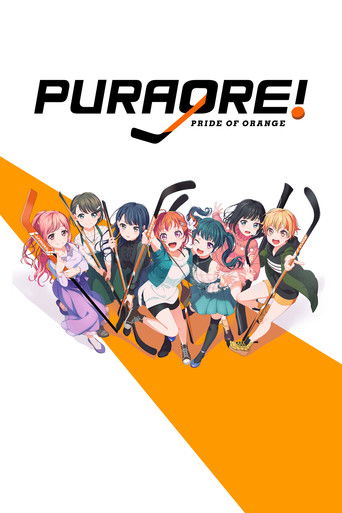 EP 12PuraOre! ~Pride of Orange~
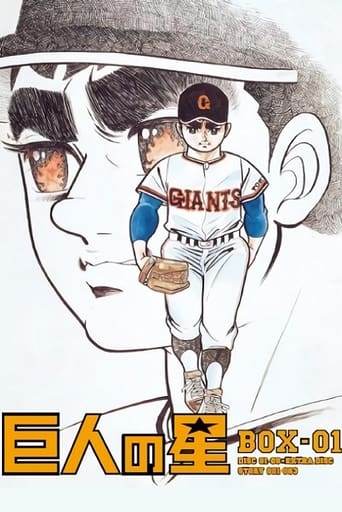 EP 257Star of the Giants
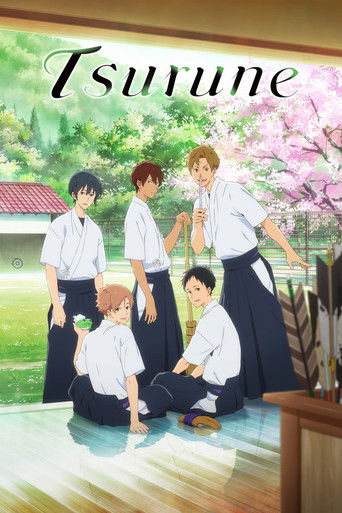 EP 26Tsurune
 EP 51Kaleido Star
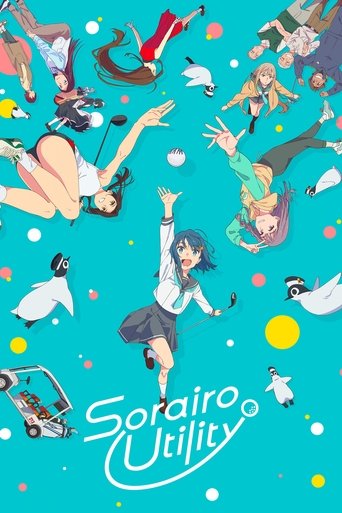 EP 12Sorairo Utility
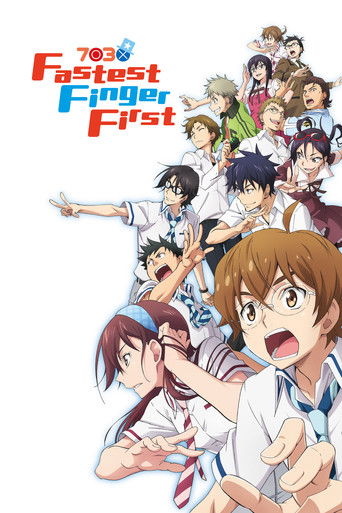 EP 127O3X Fastest Finger First
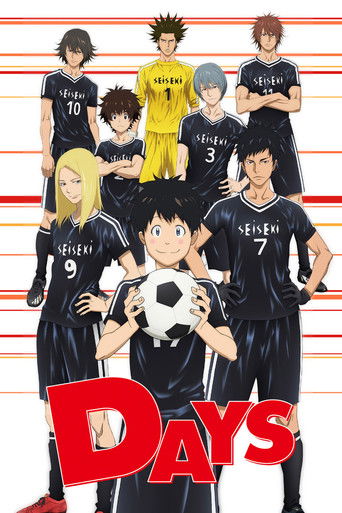 EP 24Days
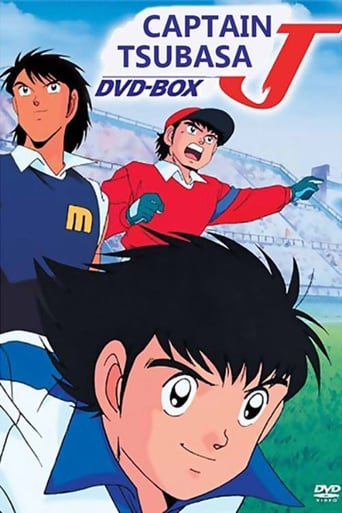 EP 47Captain Tsubasa J
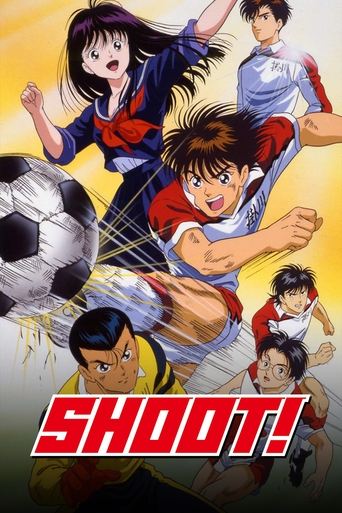 EP 58Aoki Densetsu Shoot!
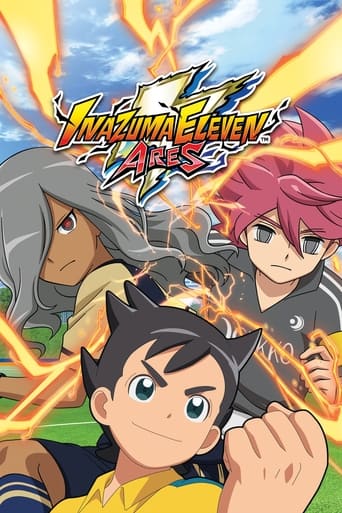 EP 75Inazuma Eleven: Ares
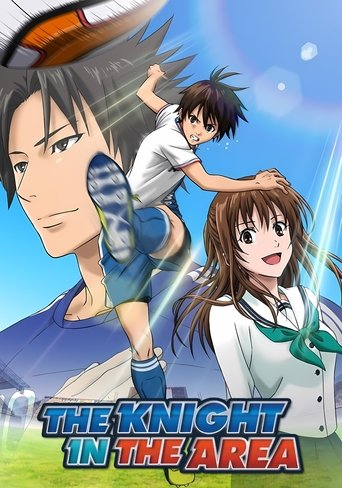 EP 37The Knight in the Area
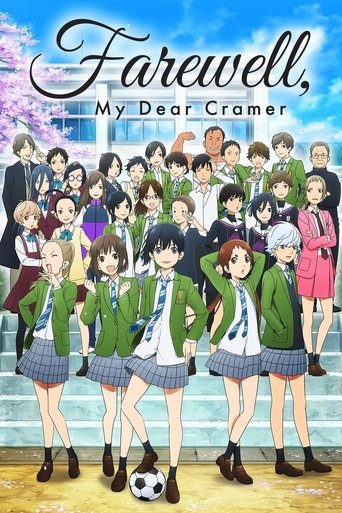 EP 13Farewell, My Dear Cramer
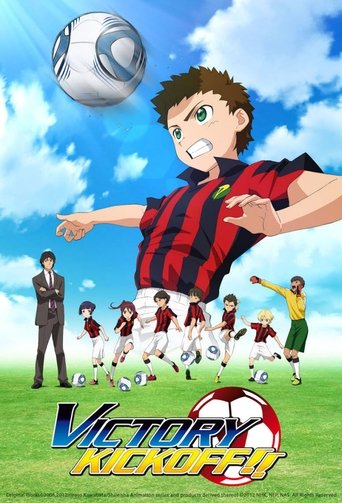 EP 39Galaxy Kickoff!!
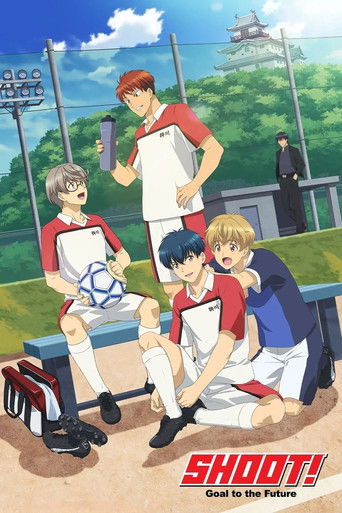 EP 13Shoot! Goal to the Future
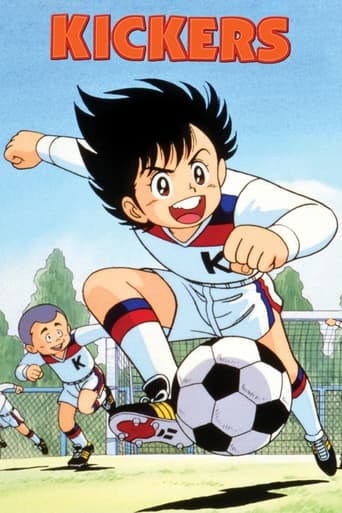 EP 26Fight! Kickers
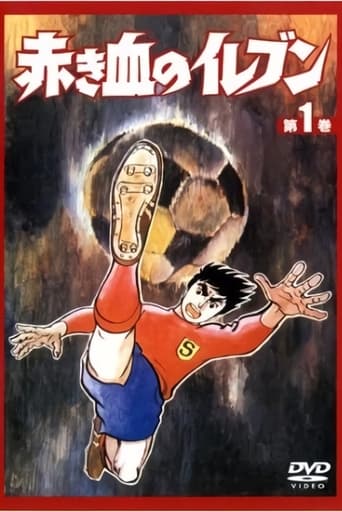 EP 52Red Blooded Eleven
 EP 12Futsal Boys!!!!!
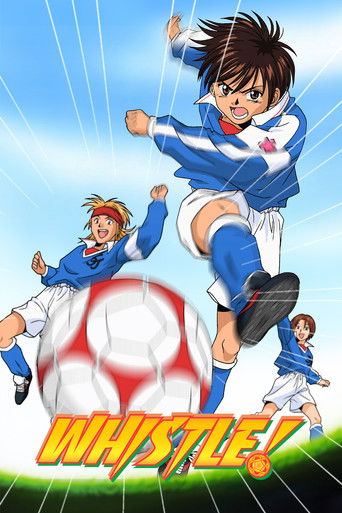 EP 39Whistle!
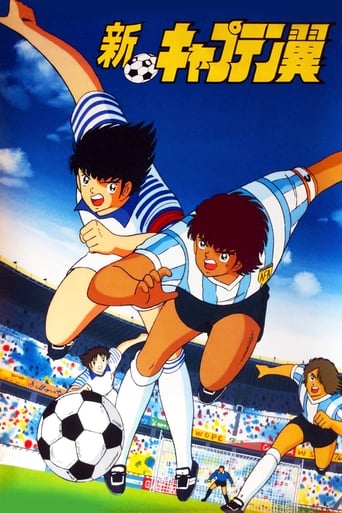 EP 13Shin Captain Tsubasa
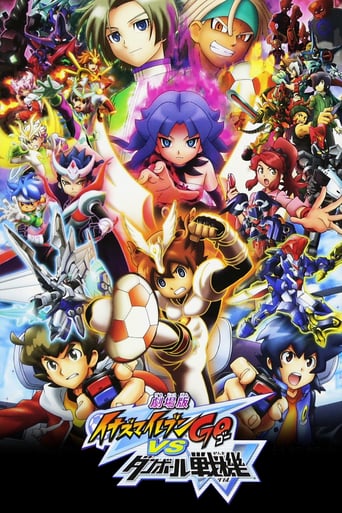 FilmInazuma Eleven GO vs. Danball Senki W
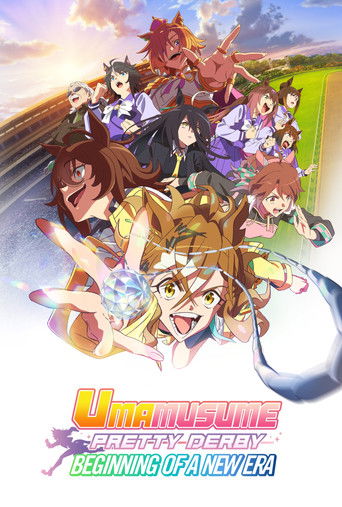 FilmUmamusume: Pretty Derby - Beginning of a New Era
 FilmTomorrow's Joe 2: The Movie
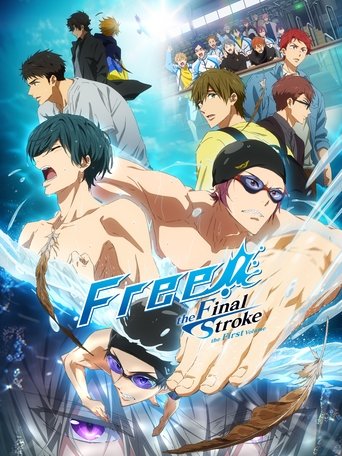 FilmFree! the Final Stroke the First Volume
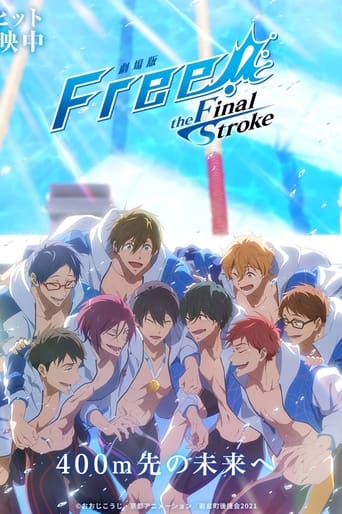 FilmFree! the Final Stroke the Second Volume
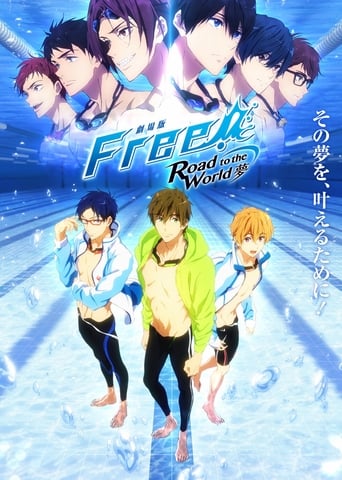 FilmFree! Road to the World - The Dream
 FilmHaikyu!! the Movie: The End and the Beginning
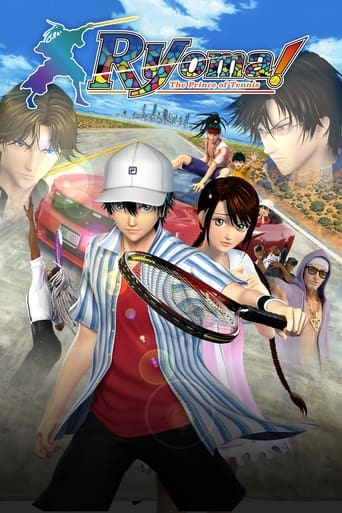 FilmRyoma! The Prince of Tennis
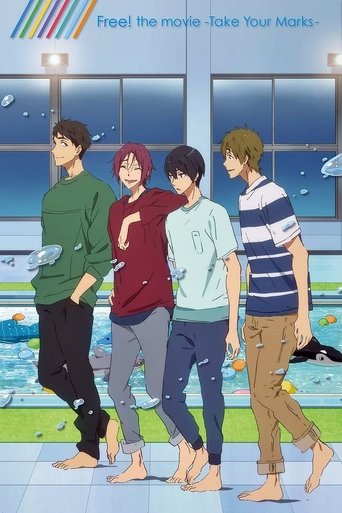 FilmFree!: Take Your Marks
 FilmHaikyu!! The Movie: Battle of Concepts
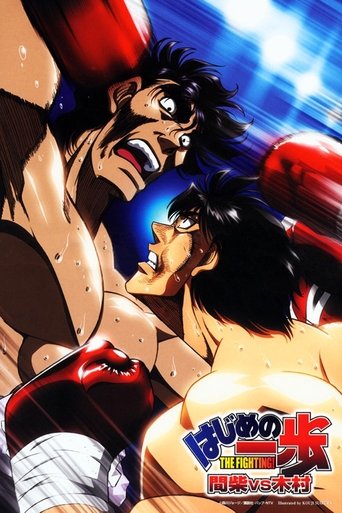 FilmFighting Spirit - Mashiba vs. KimuraFilmInazuma Eleven GO vs. Danball Senki W
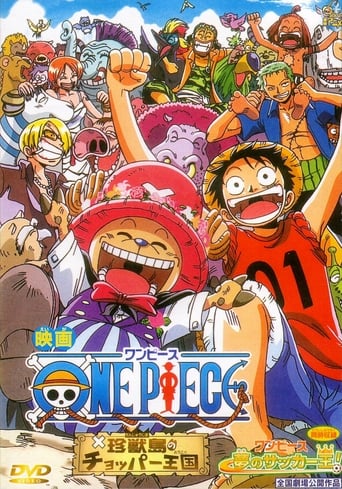 FilmOne Piece: Dream Soccer King!
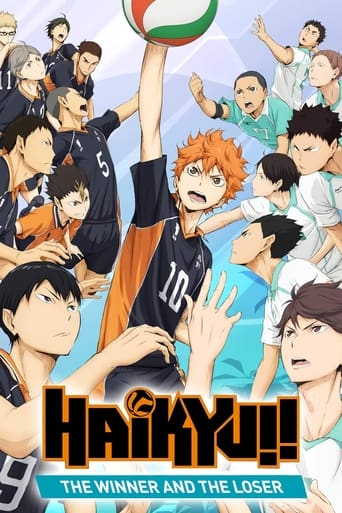 FilmHaikyu!! the Movie: The Winner and the Loser
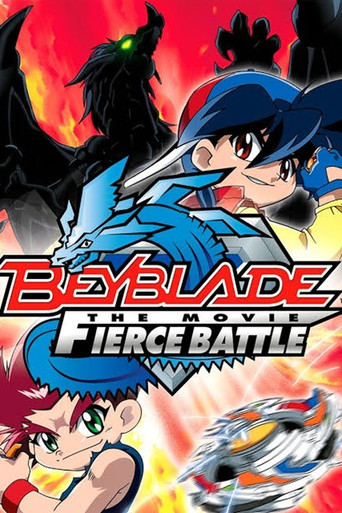 FilmBeyblade the Movie: Fierce Battle
Anidap began as a bold, black anime site with a bright red wordmark, a rounded search card and a grid of feature cards marked with little red icons. The new Anidap keeps that confident, high-contrast design and gives it a single passion: sports anime. Here you will find baseball sagas that follow a pitcher from little league to the major leagues, football epics with impossible bicycle kicks, judo champions, boxers, sumo wrestlers, racing drivers, swimmers, surfers, gymnasts, dancers and archers. Every title has its own page with the story, the voice cast, the studio and every episode with its air date, plus a Watch now button that opens it on the official services in your country.
Sports anime is one of the most uplifting corners of Japanese animation. Its heroes train at dawn, lose hard matches, pick themselves up and come back stronger, and along the way they build friendships that last a lifetime. The genre has inspired real athletes around the world: professional footballers have credited Captain Tsubasa with starting their careers, and countless children have picked up a bat, a racket or a bow after watching their favourite series. Anidap gathers more than one hundred and seventy of these stories, from the sports classics of the late 1960s to the newest seasons.
The design is measured from the archived anidap.se landing page and its two style sheets, captured on the first day of 2026. The page is pure black. Cards sit on a near-black surface, #0B0B0B to #181818, framed by thin borders of soft grey. The accent is a strong, sporty red, #E01B24, taken straight from the original's button colour and used for the wordmark, the search button, the Watch anime button, the episode tags on each poster and the small icons in the sport cards. Text is white, with a calm grey for secondary lines, and the typeface is Poppins, a round geometric sans-serif set at bold weights for headings, just as the original loaded it.
The wordmark reads Anidap in heavy letters, with Ani in red and dap in white, exactly as the original displayed it at the top of its hero card. The favicon is a single red letter A on a black tile.
The original placed a simple row of text links across the top of the page, centred over everything else: Home, Catalog, Schedule, Forums, Watch2gether, Music and Random. Anidap keeps that centred row with its own destinations: Home, Catalog, Series, Films, Sports and Help. A small wordmark sits on the left and a red My List button on the right. On a phone, the links fold into a menu button.
Below the header comes the hero card, a large rounded panel with a faint border and a deep shadow, faithful to the original. Inside it, the big Anidap wordmark sits above a dark search field with a square red search button. Beneath the field, a Top searches line lists the most popular titles on the site as quick links, and a red Watch anime button with a small arrow opens the Sports series collection. On the right side of the card, where the original left open black space, Anidap fans out five posters of the most popular titles, tilted like a hand of trading cards.
The Sports films collection gathers more than seventy films and specials, many of them extending the stories of famous series. Beside the Haikyu!!, Kuroko's Basketball, Slam Dunk and Free! films already mentioned, the Yowamushi Pedal films follow a shy anime fan who discovers a talent for road cycling: Yowamushi Pedal: The Movie is an original story set during a summer race, while Yowamushi Pedal Re:RIDE and Yowamushi Pedal Re:ROAD retell the television series.
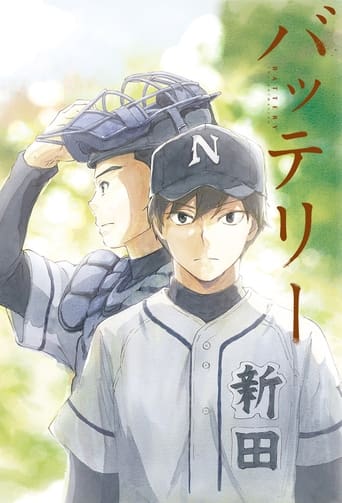
Boukyaku Battery retells the first part of a comedy about a star baseball battery reunited when the catcher loses his memory, and Backflip!! The Movie adds a new chapter to the gymnastics series. Nasu: A Migratory Bird with Suitcase, a sequel to the acclaimed cycling film Nasu: Summer in Andalusia, follows a Spanish rider in the Japan Cup, drawn with sunlit, flowing animation by Madhouse.
Classic sports films show how the genre grew. Star of the Giants - Big League Ball from 1970 extends the famous baseball saga, Aim for the Ace! The Movie from 1979 brings the tennis classic to cinemas, and the Captain Tsubasa films of the 1980s were big holiday hits in Japan. Kenritsu Umisora Koukou Yakyuubu-in Yamashita Tarou-kun is a 1988 baseball comedy, Bats & Terry from 1987 follows two high-school baseball stars, and Dead Heat from 1987 is a racing film from Sunrise. Eiji, from 1990, and Oval x Over, from 2005, are two early works from Production I.G.
Some films bring worlds together. One Piece: Dream Soccer King! is a short film in which the Straw Hat pirates play a wild game of football, Inazuma Eleven GO vs. Danball Senki W teams up two popular game franchises, and a 1997 yokai film sets the famous one-eyed yokai boy Kitaro against a team of ghosts on a baseball field. Inazuma Eleven ChouJigen Dream Match gathers heroes from across the Inazuma Eleven series for a dream game.
The era shelves trace the genre through time. The 1968 to 1989 shelf holds the pioneers, the so-called spokon, or sports-guts, stories of the 1960s and 1970s such as Star of the Giants, Tiger Mask and Samurai Giants, with their fierce training and burning determination, followed by the gentler 1980s of Captain, Attacker You! and the Touch films. The 1990 to 2009 shelf brings Captain Tsubasa J, H2, Major, Big Windup!, Kaleido Star and Wangan Midnight. The 2010 onward shelf is the largest, with Days, Tsurune, Burning Kabaddi, BIRDIE WING -Golf Girls' Story-, Farewell, My Dear Cramer and OVERTAKE!, and it grows every season.
The Top rated shelf gathers the sports anime that audiences rate most highly, a reliable place to start when you want a sure winner.
The earliest sports anime were built on spokon, a word that joins sport and konjo, fighting spirit. Heroes like Hyuma Hoshi in Star of the Giants endured brutal training, dramatic injuries and fiery rivalries, and the stories treated sport almost as a test of the soul. Over the decades the genre broadened. Mitsuru Adachi's gentle stories of the 1980s added romance and humour; the 1990s and 2000s brought tactical realism, with series that explained real strategy; and the 2010s and 2020s added ensemble casts, stylish animation and new sports from kabaddi to beam rifle. Today's sports anime often mixes the spirit of spokon with the warmth of slice of life, so the friendships off the field matter as much as the scores.
Several studios return again and again on Anidap. Tokyo Movie, later TMS Entertainment, made classics like Star of the Giants and Samurai Giants, and later Buzzer Beater, Burning Kabaddi and Cinderella Nine. Toei Animation made Tiger Mask, Red Blooded Eleven, the Slam Dunk films and Ring Ni Kakero. Production I.G animated the Haikyu!! and Kuroko's Basketball films, IGPX and Moshidora, while MAPPA brought Days, The Gymnastics Samurai and Dance Dance Danseur to life. Kyoto Animation made Tsurune and the Free! films, with the studio's famous attention to movement and light. Type any studio into the search to see its sports anime together.
The guide Sports anime basics gives a short answer, and the long answer is a love of people doing their best. Sports anime takes an ordinary match, a single pitch or a hundred-metre sprint, and stretches it into an episode full of memories, doubts and breakthroughs. The camera slows down at the decisive moment, the music swells, a teammate shouts encouragement and the ball leaves the hand. Animation can show what a real broadcast can only hint at: the thoughts racing through a player's mind, the flashback to a promise made years ago, the moment a rival becomes a friend.
The genre also teaches. Viewers learn the rules of kabaddi, the rotation of a volleyball team, the timing of a diving board or the tactics of a pit stop, and many come away wanting to try the sport themselves. Coaches in Japan have noted rises in club membership after popular series air, and fans around the world have taken up archery, cycling, table tennis and more after meeting them on screen.
At the heart of most sports anime is the team. A group of misfits gathers in a run-down club room, discovers each other's strengths and learns to trust. The captain carries a quiet weight, the manager keeps everything running, the genius learns humility and the beginner surprises everyone. Rivals are just as important: great sports anime gives the opposing team its own history and dreams, so every match has two sides worth cheering. That generosity is part of why the genre feels so warm, even at its most intense.
Training arcs are a beloved tradition. Characters run up mountain stairs at dawn, practise a single move a thousand times, study match footage late into the night and eat enormous team dinners. These scenes turn effort into drama and remind viewers that every great moment on the field grows from hours of quiet work. Many fans say that sports anime motivated them to study harder, train more or simply stick with a difficult goal, and that is perhaps the genre's greatest gift.
For a sports marathon, pair a series with a film. Start with the opening arc of Days, then watch a Haikyu!! compilation film for a burst of volleyball. For a baseball weekend, binge the first season of Big Windup! and finish with an Adachi film such as Touch 2: The Farewell Gift. For a racing night, line up Wangan Midnight and OVERTAKE!, and for a gentle evening, Tsurune and Kaleido Star make an inspiring pair. Keep snacks and a drink close, cheer loudly and enjoy the match.
Between matches, take a break to stretch, refill your drink and talk about the best play so far. A marathon feels even better when it echoes the rhythm of a real tournament: a burst of excitement, a short rest and then the next kickoff, with friends cheering beside you all the way.
So many baseball anime revolve around one place that it deserves its own section. Hanshin Koshien Stadium, near Osaka, hosts the national high-school baseball championship every August and a spring invitational every March. Teams from every prefecture battle through regional tournaments for a single ticket, and the games are broadcast across the country. Players who lose scoop a handful of the stadium's dark soil into a bag to take home as a keepsake. For a Japanese teenager with a glove and a dream, Koshien is the whole world.
Anime captures that longing beautifully. Series follow teams through the heat of July qualifiers, the crowded trains to away games, the brass bands in the stands and the tears on the final day. Even viewers new to real baseball come away understanding why a single summer can matter so much, and why a bag of dark soil can become a treasure.
Sound design is a secret weapon of sports anime. The squeak of shoes on a gym floor, the pop of a ball in a catcher's mitt, the hiss of tyres on wet asphalt and the rush of water past a swimmer's ear all pull viewers into the moment. Studios record real equipment and real venues to get these details right. Music does the rest: rousing brass themes for the big match, soft piano for a quiet talk after defeat, and opening songs that fans sing at karaoke for years. Watch with good speakers or headphones and the matches come alive.
Many sports anime draw on real history. Umamusume reimagines famous Japanese racehorses and their legendary races, The Gymnastics Samurai is set in the Japan of the year 2000, and Extra Olympia Kyklos visits the Tokyo Olympics of 1964. Captain Tsubasa grew alongside the rise of professional football in Japan and the country's first World Cup. Knowing a little of that history adds a layer of enjoyment, and many fans end up following the real sport, cheering for real teams and even travelling to see a match after meeting it in an anime.
Many sports anime suit younger viewers well. The Inazuma Eleven films, the Beyblade films, Chousoku Spinner and the classic Captain Tsubasa films are bright, fast and full of friendship, and they often inspire children to join a club or try a new game in the park. Gentle series such as Captain and Tsurune model kindness, patience and teamwork. Each service shows its own age rating, so parents can choose with confidence, and watching together makes it easy to talk about effort, losing gracefully and winning with a smile.
If you are new to the genre, start with a sport you already enjoy or a short, complete series. Tsurune and Burning Kabaddi tell satisfying stories in a single season, Days follows a heartfelt underdog over twenty-four episodes, and the Haikyu!! and Kuroko's Basketball compilation films offer a quick taste of two giant franchises. Once you are hooked, move on to the long sagas: Major for baseball, Captain Tsubasa for football, Yawara! for judo. The sport collections make it easy to find your next match, and My List keeps track of everything you want to try.
For seasoned fans, Anidap is a map of the less travelled corners of the genre: classic series from the 1970s, short films that extend favourite stories, and newer shows about sports that rarely reach the screen, such as bowling, beam rifle, quiz competitions and boat racing. Wander the shelves and enjoy the discoveries.
Sports anime also follows the calendar. Spring brings new school years and fresh club recruits, so many series open with a hopeful first practice under the cherry blossoms. Summer is tournament season, with Koshien, inter-high championships and seaside training camps. Autumn brings sports festivals and new rivals, and winter holds the spring invitational selection, indoor championships and the famous Winter Cup of high-school basketball. Watching a series in the season it depicts makes the story feel even closer, and many fans keep a seasonal rotation of favourites to match the weather outside.
Whatever the month, there is a match waiting on Anidap. Pick a sport, pick a team and settle in for the next big game.
New shelves and titles arrive as fresh seasons air, so check back often. Every new tournament brings another team worth cheering for, another rivalry to follow and another reminder of why sports stories feel so good to watch.
Most sports anime streams with English subtitles, and many favourites have English dubs, from the Captain Tsubasa series to the Free! and Kuroko's Basketball films. The play-by-play commentary and team chants sound wonderful in Japanese, while a dub lets you keep your eyes on the action. The available tracks depend on the service and your country. Subtitles and dubs covers the details.
Anidap works in any modern browser on phones, tablets and computers, with a menu button on small screens. Official services have apps for smart TVs, streaming sticks and consoles, so browse Anidap on your phone and watch the match on the big screen. Apps and devices has more tips.
Some services stream anime free with ads in some countries, and JustWatch labels those options with Free after you press Watch now. Public libraries in some regions lend anime through apps like Hoopla and Kanopy. Free sports anime explains where to look.
Official apps protect your account and payment details and support the studios behind every match. Keep your browser and apps updated, give each service its own password and turn on two-step sign-in. Streaming safely gathers the essentials in one short checklist.
The real Anidap is easy to recognise: the wordmark with Ani in red and dap in white, a black page, a rounded hero card with a red search button, a big centred headline and a grid of sport cards with red icons. The official Anidap site describes it in detail. If a page looks unusual, Is Anidap working? lists quick fixes, and Where Anidap titles stream introduces the official services behind every Watch now button.
Under the hero card, a large centred headline introduces the site, just as the original announced itself in big bold type, followed by a short welcome in grey. Three bordered info cards sit beneath it in a row. The first explains what Anidap is: a guide to sports anime with a Watch now button for every title. The second explains how it works: open a title, choose your country and press Watch now. The third answers a simple question, why sports anime, with a reminder that few stories are as uplifting as a team chasing a goal.
The original page ended with a large grid of feature cards, each with a small red icon on a dark red tile, a bold title and a short line of explanation. Anidap turns that grid into a sports menu. Each card opens a collection: Baseball, Football, Tennis and table tennis, Volleyball and basketball, Racing, Fighting sports, Water sports, Gymnastics, skating and dance, Girls in sport, More sports, Top rated and Sports films. Each shows a line icon drawn for its sport, a short description and the number of titles on the shelf. Hover over a card on a computer and its border glows red.
Below the sports menu come the poster rows: Sports series, Baseball, Football, Racing, Sports films and the classics from 1968 to 1989. Each row has a heading, a See all link and a sideways-scrolling strip of posters. The poster cards have twelve-pixel corners and a hairline border, with a small red tag in the top-left corner showing the episode count for a series or the word Film for a movie. Beneath each poster come the title and a line with the type, the year and the audience score.
Watching on Anidap takes three steps. Open a title from the hero card, a sport card, a row or the search. On the title page, read the story, check the episode list and choose your country. Then press Watch now, and JustWatch opens with every official service that carries the title where you live, whether by subscription, rental, purchase or free with ads. The anime then plays in that service's own app or website. How to watch with Anidap walks through every step, and the country list covers fifteen countries across the Americas, Europe, Asia and Oceania.
Title pages list every season and episode with its original air date. That matters for sports anime, which ranges from compact twelve-episode seasons like Tsurune and Burning Kabaddi to huge sagas like Major, with a hundred and fifty-four episodes across six seasons, and Star of the Giants, whose two hundred and fifty-seven episodes began in 1968.
The search understands English and Japanese titles and many alternate names, so Major and メジャー lead to the same series. Add a season and an episode, like Major S2E3, and the search goes straight there. It also finds studios and voice actors. The Catalog link opens the full A to Z with filters for type, genre and year. Finding a title has more tips. My List keeps the titles you want to watch and remembers the episodes you have ticked; it lives in your browser and exports to a small file. My List explains how.
Baseball is the king of Japanese sports anime, and the Baseball collection is the biggest sport shelf on Anidap. The guide Baseball anime explains why. High-school baseball has a special place in Japan: every summer, teams from across the country compete for a place in the national tournament at Koshien Stadium, and millions watch on television. Anime captures the sweat, the tears and the joy of that dream better than any other medium.
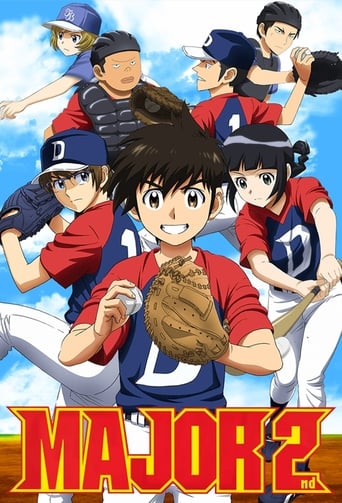
Major is the great baseball saga. It follows Goro Honda from a little-league prodigy who loses his father, a professional pitcher, through high school, the minor leagues in America and finally the major leagues, over a hundred and fifty-four episodes. It is a story about grit, family and the stubborn joy of throwing a ball as hard as you can. Major 2nd follows Goro's son, Daigo, who struggles to live up to his famous father's name, and Major: The Ball of Friendship is a film that fills in Goro's time with the Japanese national team.
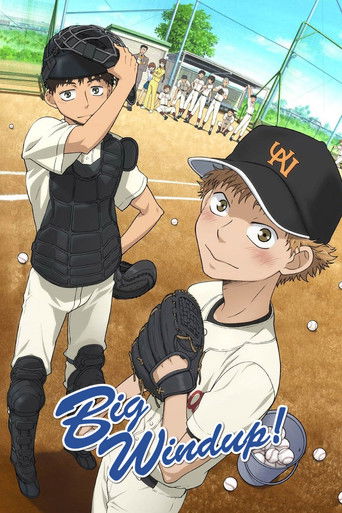
Big Windup! is the thinking fan's baseball anime. A timid pitcher with a painful past joins a brand-new high-school team, where a sharp-eyed catcher builds an entire strategy around his precise control. Every pitch is analysed, every batter studied, and the series from A-1 Pictures turns the psychology of a baseball game into gripping drama.
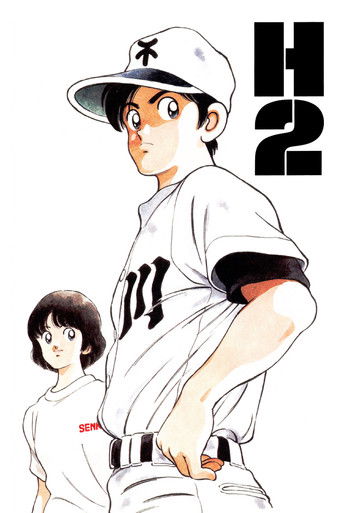
The manga artist Mitsuru Adachi is famous for gentle, funny stories that mix baseball with romance and friendship, and Anidap holds several of them. H2 follows two best friends who become rivals on opposing teams, and the girls who love them. Touch 2: The Farewell Gift, Touch 4: Miss Lonely Yesterday and Touch 5: Cross Road are films that extend the famous Touch series about twin brothers and the girl next door. Mix: Meisei Story returns to the same school a generation later, with stepbrothers who form a battery, and Nine and Nine: Final are early Adachi films about a track star who joins the baseball team. The same warmth fills them all: long summer afternoons, quiet glances and the crack of a bat.
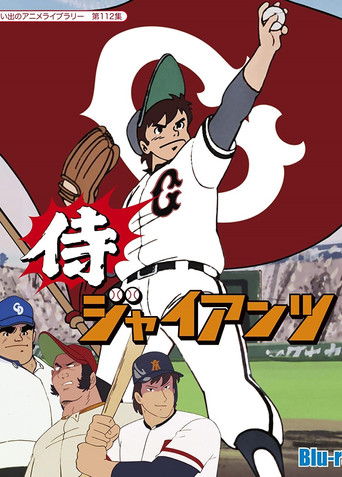
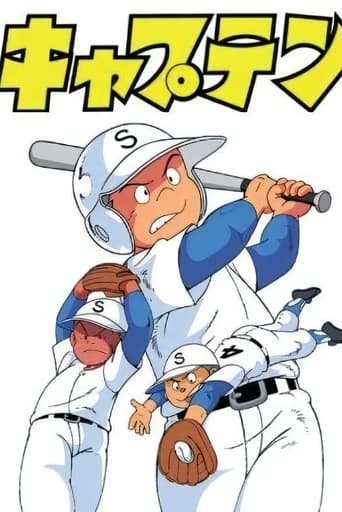
Star of the Giants, from 1968, is one of the most influential sports anime ever made. Hyuma Hoshi is trained by his demanding father to become the ace pitcher of the Yomiuri Giants, and his fierce determination set the template for the genre's training montages and rivalries. Samurai Giants followed in 1973 with a hot-blooded young pitcher who joins the Giants, and Captain and Captain: The Movie tell a gentler story about a boy who becomes captain of his middle-school team through sheer hard work.
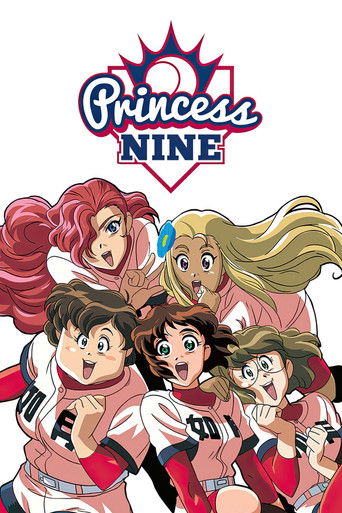
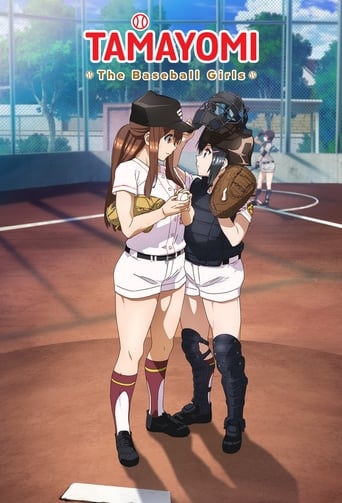
Baseball stories for girls shine too. Princess Nine follows a girl with a powerful fastball who joins a new girls' team at an elite academy, Taisho Baseball Girls follows schoolgirls in the 1920s who form a team to prove a point, and TAMAYOMI: The Baseball Girls and Cinderella Nine bring the girls' game to modern schools. Gurazeni: Money Pitch takes an adult view, following a professional relief pitcher who knows every player's salary by heart.
The Football collection gathers nearly thirty titles, and Football anime is a quick guide. Captain Tsubasa is the legend of the genre. Tsubasa Ozora, a boy who treats the ball as his best friend, dreams of winning the World Cup for Japan, and his rivalries with the goalkeeper Genzo Wakabayashi and the powerful striker Kojiro Hyuga made the series a global phenomenon in the 1980s. Players such as Andrés Iniesta, Alessandro Del Piero and Fernando Torres have said it inspired them as children. Anidap holds Captain Tsubasa J from 1994, which retells the story with fresh animation, the OVA Shin Captain Tsubasa, and four classic films, including Captain Tsubasa Movie 01: The Great Competition of Europe and Captain Tsubasa Movie 04: The Great World Competition!! The Junior World Cup.
Inazuma Eleven: Ares brings the flashy special moves of the Inazuma Eleven games to school football, with fire tornadoes and giant hands in goal, and the collection also holds several Inazuma Eleven films, from Inazuma Eleven the Movie: The Ultimate Force, Team Ogre, Attacks! to Inazuma Eleven Reloaded ~Reformation of Soccer~.
Days, from studio MAPPA, follows a slow, clumsy boy who joins a strong high-school football club on the invitation of a genius player and wins everyone over with his tireless effort. It is one of the most heartfelt sports anime of the 2010s. The Knight in the Area follows two brothers, one a star and one a quiet playmaker, whose bond survives a tragedy on and off the pitch, and Aoki Densetsu Shoot! from 1993 follows a high-school team chasing the national championship in memory of their former captain.
Whistle! follows a small player who refuses to give up on his dream of making the team, Galaxy Kickoff!! follows a group of children who form a football club with the help of a patient new coach, and Farewell, My Dear Cramer follows a girls' football team at a high school in Warabi, full of skill, warmth and determination. Shoot! Goal to the Future revives the Shoot! story for a new generation, and Futsal Boys!!!!! brings the fast five-a-side game to the screen.
Red Blooded Eleven, from 1970, is one of the earliest football anime, following a high-school team on its long road to the national title. Fight! Kickers from 1986 follows a hapless school team that finally learns to win, and Offside follows a young player's rise through a high-school team. Young Eleven is a 1979 film from the dawn of the genre. Together they show how football anime grew from simple tales of effort into the colourful, special-move spectaculars of today.
The Tennis and table tennis collection gathers racket and paddle stories. The Prince of Tennis is its biggest name: Ryoma Echizen, a cool young prodigy, joins the tennis club of Seigaku Middle School and leads it to the national championship with a string of spectacular shots. Anidap holds The Prince of Tennis: The National Tournament, The Prince of Tennis II, The Prince of Tennis II: U-17 World Cup, The Prince of Tennis Another Story and films such as Ryoma! The Prince of Tennis, a playful musical adventure.
Aim for the Ace! is a landmark of the 1970s. Shin Aim for the Ace! and Aim for the Ace! The Movie, directed by Osamu Dezaki, follow Hiromi Oka, an ordinary girl who joins her school's tennis club and is chosen by a demanding coach for greatness; its dramatic split screens and sparkling light effects influenced a generation of animators. Softenni and Teekyu take a lighter approach, the first a comedy about a soft-tennis club and the second a string of lightning-fast gag episodes about four friends who rarely play at all.
Love All Play brings badminton to the screen, following a high-school player who joins a strong team and grows into a doubles star, and Scorching Ping Pong Girls follows a table-tennis club of energetic girls chasing a regional title.
The Volleyball and basketball collection gathers court sports. Several beloved franchises are represented by their films: the Haikyu!! compilation films, including Haikyu!! the Movie: The End and the Beginning and Haikyu!! The Movie: Battle of Concepts, retell the rise of Karasuno High's volleyball team; the Kuroko's Basketball Winter Cup films, such as Kuroko's Basketball - Movie: Winter Cup - Shadow and Light, retell the famous tournament; and the Slam Dunk films of the 1990s, from Slam Dunk: The Movie to Slam Dunk 4: Roar!! Basket Man Spirit, give Hanamichi Sakuragi and the Shohoku team extra adventures.
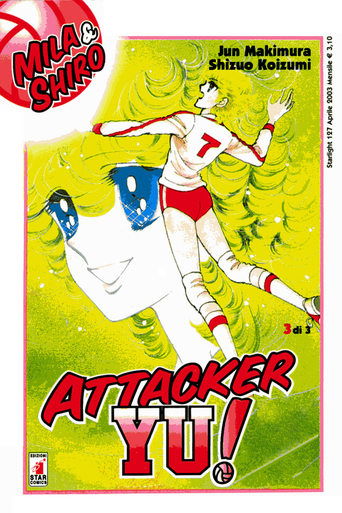
2.43: Seiin High School Boys Volleyball Team follows two childhood friends who rebuild a volleyball team in Fukui, Attacker You! from 1984 follows a girl who becomes a volleyball star, and Attack on Tomorrow from 1977 tells a classic volleyball story of friendship and rivalry. Buzzer Beater imagines a basketball team from Earth playing against aliens across the galaxy, and Basquash! turns basketball into a spectacular sport played by giant robots.
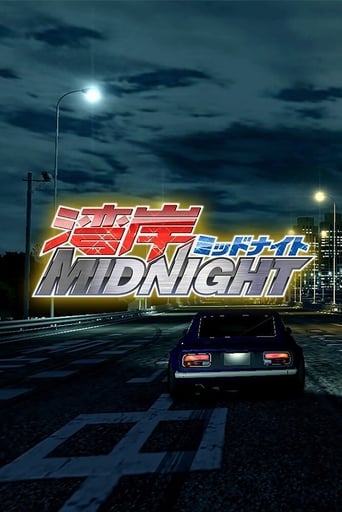
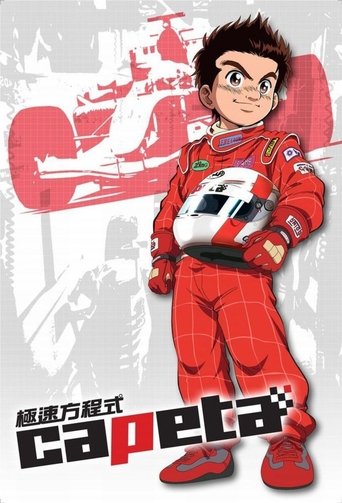
The Racing collection gathers cars, bikes, horses and spaceships, and Racing anime is a quick guide. Wangan Midnight follows Akio Asakura, a young man who rebuilds a cursed Nissan Fairlady Z known as the Devil Z and races it on the Shuto Expressway at night; its tuned cars, roaring engines and melancholy mood have made it a cult favourite among car fans. Capeta follows a boy who starts racing go-karts built from scrap by his father and climbs toward Formula racing with raw talent and determination.
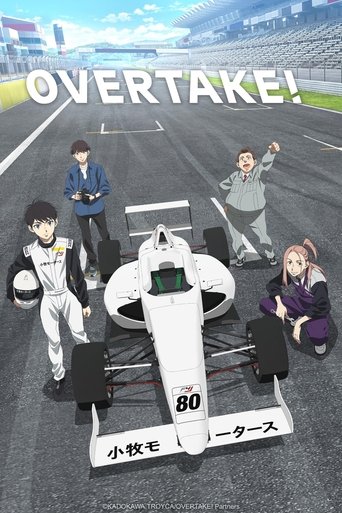
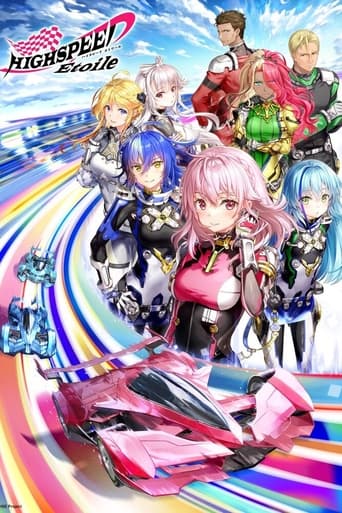
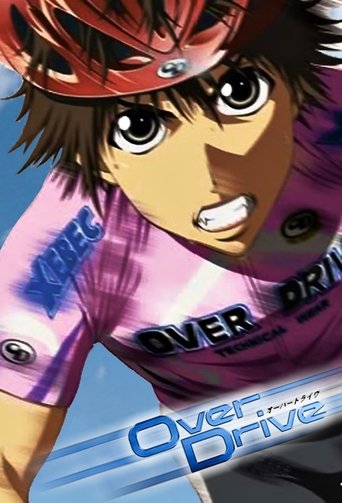
OVERTAKE!, from 2023, follows a photographer who joins a small Formula 4 team and helps its young driver chase his dream, and HIGHSPEED Étoile imagines a futuristic racing series where a young woman becomes a star driver. Over Drive brings the same passion to bicycle road racing, following a boy who discovers his talent on a school cycling team.
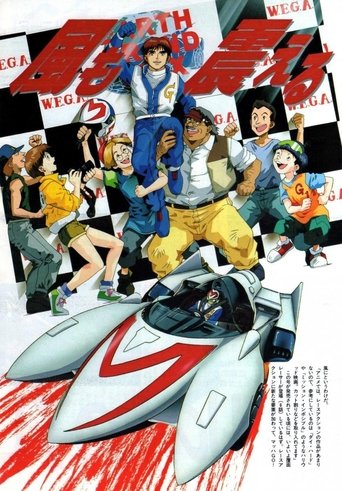
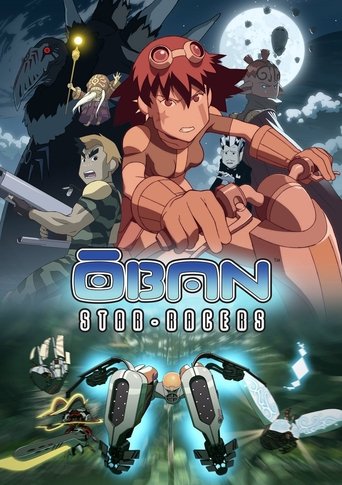
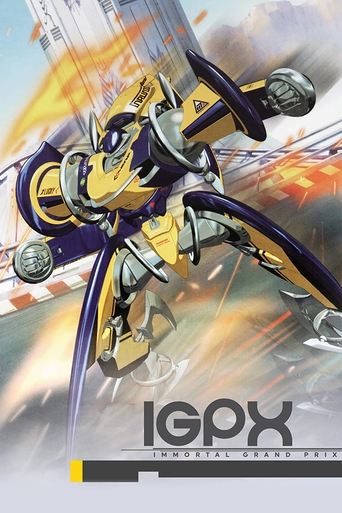
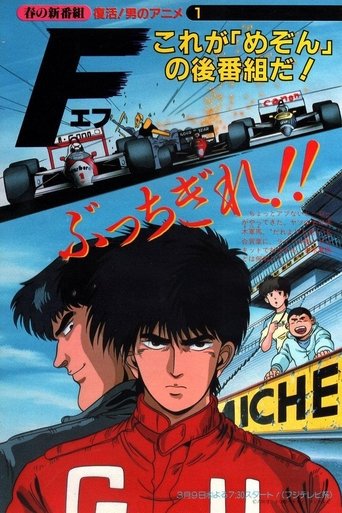
F-Zero: GP Legend turns the classic Nintendo racing game into a series about a police officer from the past who races at impossible speeds, IGPX: Immortal Grand Prix from Production I.G follows a team of young pilots racing giant robots on high-speed tracks, and Ōban Star-Racers, a Franco-Japanese production, follows a girl who joins an intergalactic race to win a wish. Speed Racer X updates a classic racing hero for the 1990s, and F, from 1988, follows a rebellious young man's climb into Formula One.
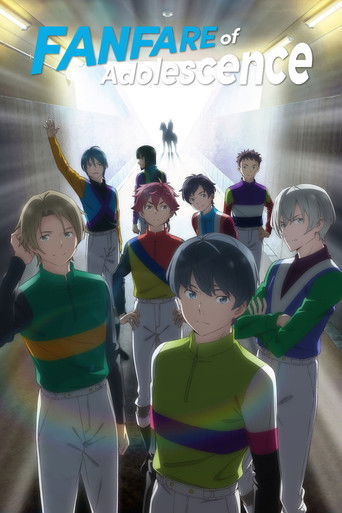
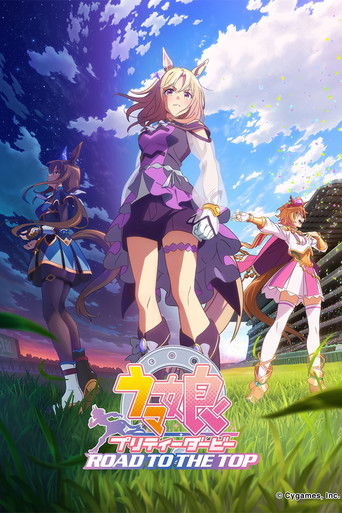
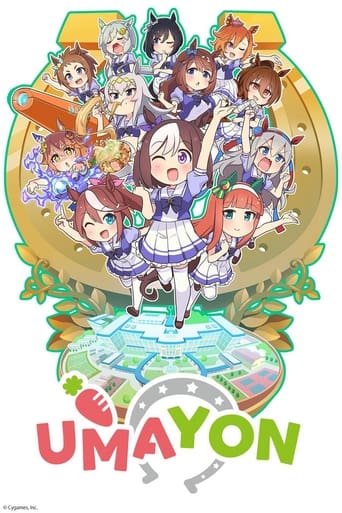
The Umamusume series reimagines famous Japanese racehorses as young women who run races and then perform on stage. Anidap holds Umamusume: Pretty Derby - Road to the Top, a tense four-episode story about three rivals in the classic races of 1999, the films Umamusume: Pretty Derby - Beginning of a New Era and Umamusume: Pretty Derby - Road to the Top Movie, and the comic shorts of Umayon. Fanfare of Adolescence follows a former idol who becomes a jockey at a racing academy, a heartfelt story about dreams and second chances.
The Fighting sports collection gathers judo, boxing, sumo, wrestling and kendo. Yawara! is one of its treasures. Yawara Inokuma is a gentle teenage girl who dreams of an ordinary life of shopping and romance, but her grandfather, a judo master, is determined to make her an Olympic champion. The series from Madhouse, based on Naoki Urasawa's manga, is funny, warm and full of real judo, and its hundred and twenty-four episodes build to a thrilling finale, followed by the special Yawara! Atlanta Special.
Hinomaru Sumo follows a small but fierce high-school wrestler who dreams of becoming a yokozuna, the highest rank in sumo, and brings the power and ritual of the ring to life. Judo Boy, from 1969, is an early martial-arts adventure from Tatsunoko Production, and Ippon Again! follows a former judo champion who returns to the sport in high school with a small, spirited club.
Boxing has produced some of the most intense sports anime ever made. Tomorrow's Joe is the legend: Joe Yabuki, a drifter from the slums of Tokyo, discovers boxing in a juvenile detention centre and rises to face the world champion. Anidap holds the two films, Tomorrow's Joe The Movie and Tomorrow's Joe 2: The Movie, directed by Osamu Dezaki with his famous freeze-frame postcards. Joe vs. Joe is a short 2003 series of boxing drama, and Ring Ni Kakero follows a brother and sister whose boxing dreams carry them to the world stage.
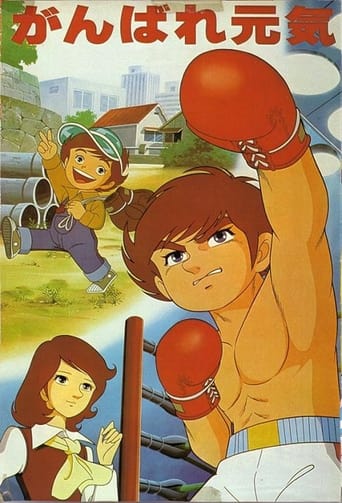
Fighting Spirit - Mashiba vs. Kimura is a special from the long-running Fighting Spirit boxing saga, following a fighter who battles for a title against a fearsome champion. Do Your Best Genki from 1980 follows a young boy who takes up his late father's gloves, and Tiger Mask from 1969 follows a masked professional wrestler who fights for the orphanage where he grew up, a classic of heroic sports drama.
Bamboo Blade is a cheerful comedy about a struggling kendo coach who bets on his team's success and a quiet girl who turns out to be a sword prodigy. Tsurune, from Kyoto Animation, is a graceful series about a high-school archery club, where a boy troubled by target panic learns to shoot again with the help of his teammates. The film Tsurune the Movie: The First Shot retells their story with fresh scenes. Its sound design, from the twang of the bowstring to the thud of the arrow, is breathtaking.
The Water sports collection gathers swimming, diving, surfing and fishing. The Free! films from Kyoto Animation and Animation DO follow Haruka Nanase, a swimmer who loves the water more than winning, and his friends: Free!: Take Your Marks, Free!: Timeless Medley - The Bond, Free!: Timeless Medley - The Promise, Free! Road to the World - The Dream and the two-part Free! the Final Stroke the First Volume and Free! the Final Stroke the Second Volume, which bring the saga to a close on the world stage.
DIVE!! follows a boy who joins a struggling diving club and discovers a talent for the ten-metre platform, and WAVE!! -Let's go surfing!!- follows a group of friends who take up surfing on the coast of Ibaraki. Rinkai! follows young women who train to become professional boat racers, a sport that is huge in Japan.
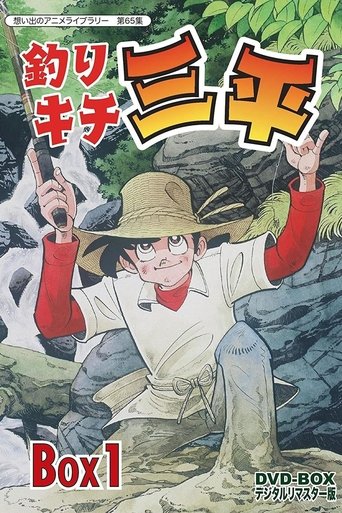
Fishing anime is a genre of its own. Fisherman Sanpei, from 1980, follows a country boy who loves fishing more than anything and travels across Japan in search of legendary catches, with a hundred and nine episodes of rivers, lakes and seas. Super Fishing Grander Musashi brings the same passion to the 1990s with competitive tournaments, and Tsuritama is a colourful, quirky story about a shy boy on the island of Enoshima who learns to fish with an alien, a cheerful local and a mysterious agent.
The Gymnastics, skating and dance collection gathers the graceful sports. The Gymnastics Samurai, from MAPPA, follows a veteran gymnast in 2000 who refuses to retire and trains for one more comeback with the help of his daughter and a ninja. Backflip!! follows a high-school boys' rhythmic gymnastics team, and Skate-Leading Stars follows a former figure-skating prodigy who joins a team competition.
Kaleido Star follows Sora Naegino, a girl from Japan who travels to America to join a famous circus, and its fifty-one episodes of acrobatics, rivalries and friendship make it one of the most inspiring stories in the collection. Dance Dance Danseur follows a boy who secretly loves ballet and finally dares to dance, and Cheer Boys!! follows a university cheerleading squad of young men who find their spirit together.
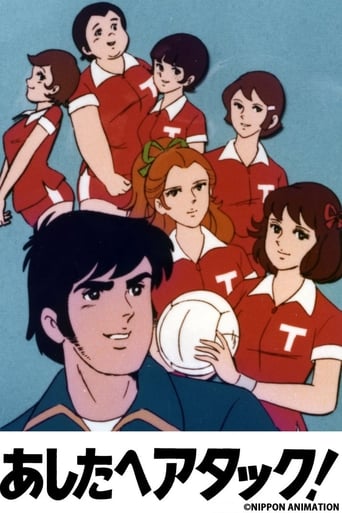
The Girls in sport collection gathers heroines on the field, the court, the track and the ice, and Girls in sport introduces them. Girls' sports anime has a proud history: a volleyball classic of 1969, which reached cinemas in 1970, made the sport a craze among Japanese schoolgirls, and Aim for the Ace! did the same for tennis. Attacker You! carried the tradition into the 1980s, and Yawara! gave judo its most beloved heroine.
Recent years have brought a new wave. BIRDIE WING -Golf Girls' Story- is a bold, stylish golf drama about a mysterious street golfer and a rich prodigy who become rivals and friends. Sorairo Utility follows a girl who discovers golf at a driving range, PuraOre! ~Pride of Orange~ brings ice hockey to a small town in Nikko, and Rifle Is Beautiful follows a high-school beam rifle club chasing a national title. Extreme Hearts imagines a future sport where young women compete with high-tech gear, and Circlet Princess follows students in a futuristic sport played with holographic armour.
The More sports collection gathers everything else. Burning Kabaddi introduces the fast, tactical South Asian sport of kabaddi through a former football star who reluctantly joins a school club and falls in love with it. Turkey! Time to Strike follows a high-school bowling club, 7O3X Fastest Finger First follows students who compete in fast-paced quiz tournaments, and Salaryman's Club follows a young badminton player who joins a company team after losing his first job.
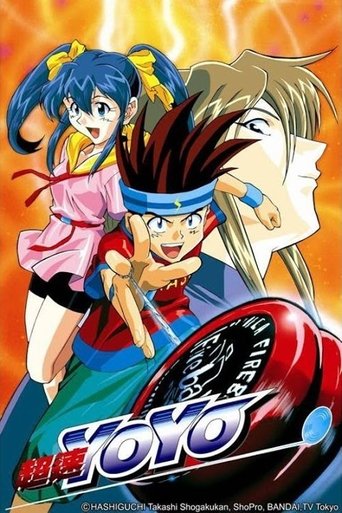
Aoharu x Machinegun follows a student who joins a survival-game team and discovers the tactics of airsoft, Stella Women's Academy, High School Division Class C3 follows a girls' airsoft club, and Chousoku Spinner follows boys who compete with high-tech yo-yos. Beyblade the Movie: Fierce Battle and Metal Fight Beyblade vs the Sun: Sol Blaze, the Scorching Hot Invader bring spinning-top battles to the big screen, and Crush Gear Turbo The Movie: Kaiservern's Ultimate Challenge pits miniature fighting cars against each other.
Some sports anime take an unusual angle. Moshidora follows a high-school girl who becomes the manager of her school's baseball team and uses a famous business book to lead it to Koshien. Extra Olympia Kyklos sends an ancient Greek vase painter forward to the Tokyo Olympics of 1964, a gentle comedy about sport and art. Usakame follows a tennis club in a comedy about friendship, and number24 follows a university rugby team as its players face injuries, rivalries and the pressures of adult life.
Anidap is a guide to sports anime, series and films, from baseball and football to racing, judo, swimming and dance, with a Watch now button for every title that opens it on the official services in your country.
Open the title page, choose your country and press Watch now. JustWatch opens with the official services that carry it where you live.
Major, Big Windup!, Days, Tsurune and Yawara! are superb first choices.
Sports anime explains the rules as it goes, so newcomers learn alongside the characters.
Some series are covered by other guides in the same family, so Anidap gathers their films and specials instead.
Add the series to My List and tick the episodes you have watched. Your place is kept in your browser.
Yes. Export My List to a small file, then import it on the other device.
Many sports favourites have English dubs. Check the audio menu in the player after pressing Watch now.